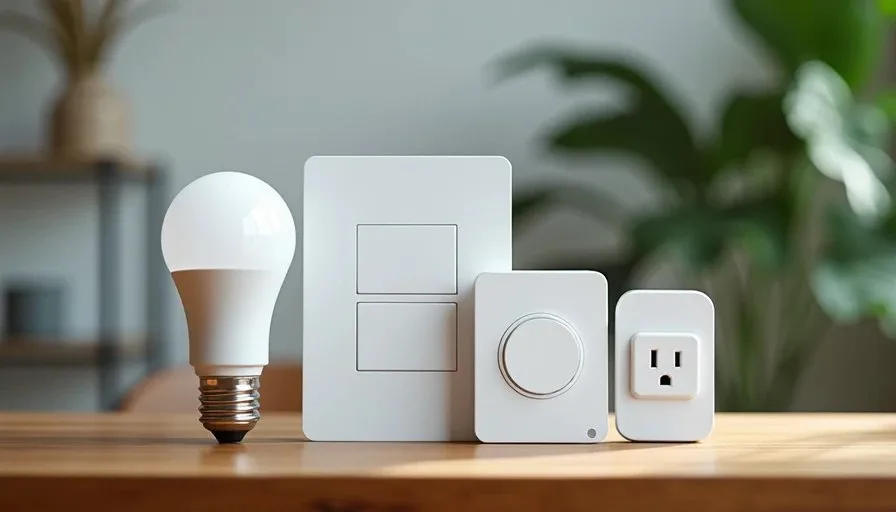
A $1,000 budget forces clarity. It is large enough to solve several real household problems and small enough that every purchase has to justify itself. When I imagine building a smart-home system from scratch for a typical family under that limit, the goal is not to fill the house with gadgets. The goal is a short list of reliable devices that reduce daily friction, remain understandable to every adult in the house, and continue to work without constant attention.
This is the setup I would actually build and live with. It reflects years of testing in our own home and in the homes of families I help. Prices fluctuate and exact models change, so the emphasis is on categories, priorities, and the reasoning behind each choice rather than on fleeting product names.
Guiding Principles for a $1,000 System
Before listing components, the rules that shape the budget matter.
Solve problems the family already feels at least several times a week.
Prefer devices that offer local control so basic functions survive internet hiccups.
Keep the number of apps and hubs as low as possible.
Leave a small reserve for mounting hardware, extra bulbs, or an unexpected cable.
Accept that the system will be incomplete by showcase standards and complete by daily-use standards.
These constraints keep the result practical rather than impressive on paper.
Priority 1: Reliable Entry and Hallway Lighting ($150–200)
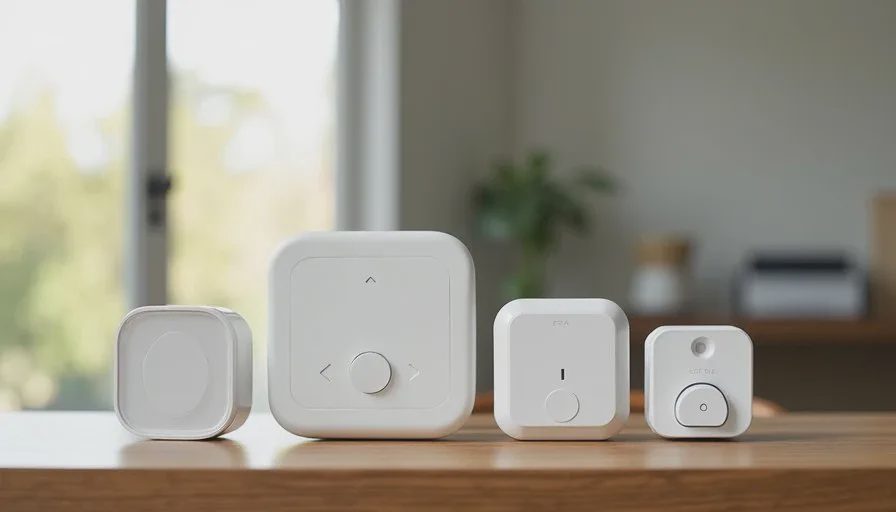
The highest-value automation in most family homes is lighting that responds when people enter with full hands and turns off when spaces empty. A small set of quality smart bulbs or, better, smart switches in the entryway, main hallway, and stairwell delivers this quickly.
I would allocate money to devices that support local control and work with a major ecosystem the family already uses. Motion or presence sensing can be handled by the switches themselves or by a couple of inexpensive sensors. The result is lights that simply work during the most common transition moments of the day.
This category almost always produces the fastest “we should have done this sooner” reaction from households.
Priority 2: A Dependable Smart Lock with Physical Backup ($150–250)
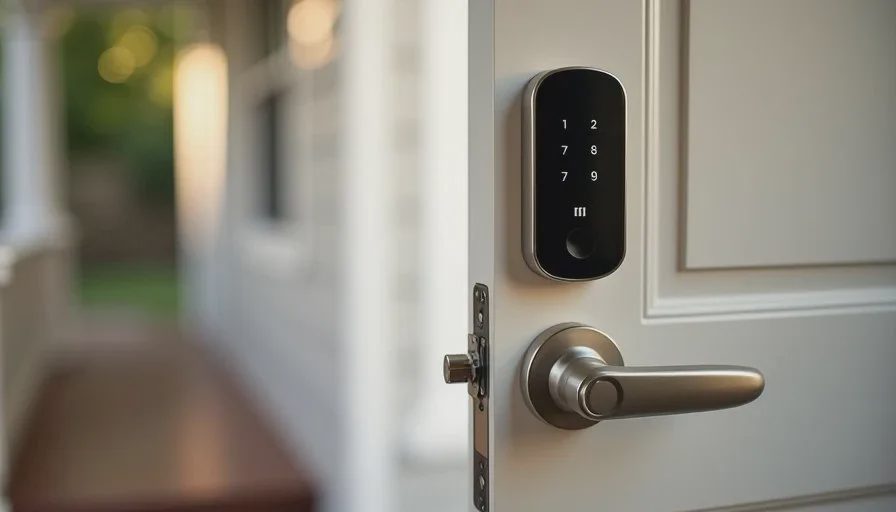
Auto-locking the primary exterior door removes a recurring mental question and improves security when the last person leaves. I would choose a well-reviewed lock that supports reliable auto-lock, offers a keypad or app control for family members, and—critically—retains a standard physical key cylinder.
Installation on a typical deadbolt is usually straightforward. The budget should also cover any needed strike-plate adjustments or a secondary key copy. Remote features are convenient; local operation and the mechanical key are non-negotiable.
Priority 3: Thermostat with a Simple, Local Schedule ($120–200)
A smart thermostat that follows a realistic weekday and weekend schedule reduces manual adjustments and keeps the house comfortable at the moments that matter—wake-up, return from school or work, and bedtime. I would prioritize models that store schedules on the device itself so temperature control continues during internet outages.
Complex learning features are optional. Clear manual override and easy schedule editing matter more for a family environment. Professional installation is unnecessary in most homes; careful DIY following the manufacturer’s wiring guidance is usually sufficient.
Priority 4: Core Smart Plugs and a Few Outdoor or High-Use Outlets ($80–120)
A handful of reliable smart plugs handle holiday lights, fans, secondary lamps, and one or two outdoor outlets for seasonal use. I would buy from a brand with consistent local control and a good safety record, and I would avoid spreading across multiple cheap no-name options that each require their own app.
These plugs also serve as an easy on-ramp for simple schedules (for example, turning porch lights on at dusk) without requiring full switch replacements everywhere.
Priority 5: Network Foundation if Needed ($200–300)
If the house still runs on a weak ISP gateway or has obvious dead zones, part of the budget should improve the network itself. A solid primary router or a single wired access point for the weakest area often yields more benefit than additional smart devices. Smart-home equipment is only as reliable as the network underneath it.
In a house that already has decent coverage, this money can shift toward better sensors or a small reserve. In a house with coverage problems, fixing the network first prevents later frustration.
What I Would Deliberately Skip
Under a $1,000 ceiling several popular categories wait their turn:
Whole-home lighting systems that require every switch to be replaced
Multiple competing voice-assistant hubs
Comprehensive camera systems (a single well-chosen doorbell camera can come later if the budget allows)
Complex multi-room audio
Novelty appliances that look impressive and see little daily use
These items can be useful in richer budgets or later phases. They are not the foundation of a reliable family system.
How the Pieces Work Together
The resulting setup is intentionally modest:
Entry and hallway lights respond to presence.
The front door auto-locks and still accepts a physical key.
The thermostat follows a schedule matched to real routines.
A few plugs handle flexible loads and simple outdoor timing.
The underlying network is stable enough that the devices stay online.
Daily interaction stays light. Most of the system runs without anyone opening an app. When manual control is needed, physical switches, a keypad, and the thermostat dial remain available. The app layer is for occasional adjustment and monitoring, not for constant operation.
Installation and Living-With Order
I would install in this sequence:
Network improvements if required.
Entry and hallway lighting.
Smart lock.
Thermostat.
Smart plugs and any remaining sensors.
After each addition, live with it for at least a week before adding the next. This pace surfaces configuration issues early and prevents the system from outrunning the household’s ability to understand it.
What Success Looks Like After Three Months
A successful $1,000 system is quiet. Lights come on when they should. The door is locked without a second thought. The temperature is already reasonable when people wake or return. No one is regularly troubleshooting, re-pairing devices, or explaining the system to the other adult. Guests can use the house without a tutorial.
If those outcomes are present, the budget has been well spent. If the system still demands frequent attention, something in the selection or configuration needs simplification.
A Foundation, Not a Ceiling
This setup is a starting point that can grow. Later additions—additional lighting, a carefully chosen camera, outdoor coverage, or more refined sensors—can be evaluated against the same standards of reliability and low maintenance. Because the foundation is simple and local-first, expansions are less likely to create cascading complexity.
$1,000 is enough to make a meaningful difference in daily family life when it is spent on the problems that actually recur. It is not enough to automate everything, and that limitation is useful. It forces prioritization. The result is a home that works more smoothly without requiring the family to become system administrators.
That is the only kind of smart home worth building.
Stability First.