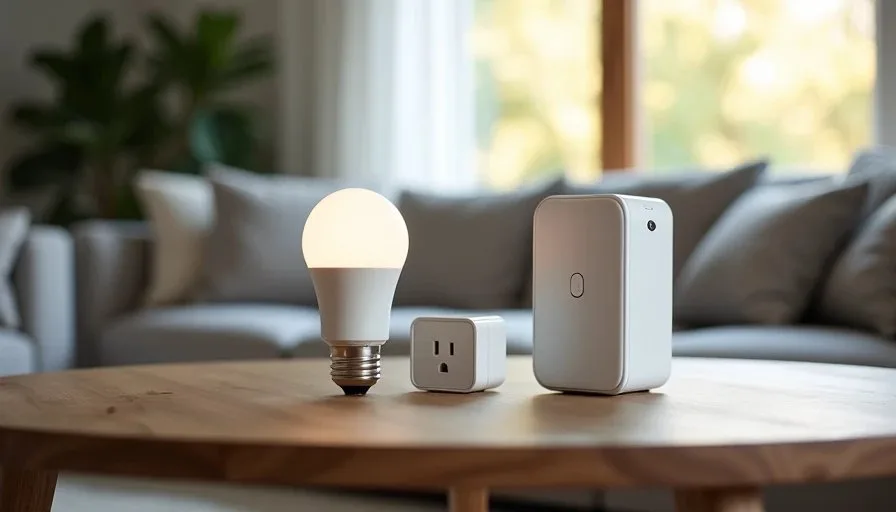
Smart-home shopping often feels like choosing between competing clubs. One brand’s bulbs work smoothly with its own app and speaker. Another brand’s locks prefer a different ecosystem. A third set of sensors needs its own hub. The result is a collection of apps, accounts, and occasional failures when one system cannot talk to another.
Matter is an attempt to reduce that friction. It is a connectivity standard designed so that devices from different manufacturers can work together more reliably, both locally and through major platforms. The promise is appealing: buy a Matter-compatible bulb, lock, or sensor and have it work with the apps and controllers you already use, without needing a separate proprietary hub for every brand.
The reality is more measured. Matter improves compatibility in important ways, but it does not make every device automatically reliable or eliminate the need for careful setup. This post explains what Matter actually does, what it does not do, and how a family that simply wants devices to work can approach it without adding new complexity.
What Matter Is Trying to Solve
Before Matter, many smart-home devices used proprietary protocols or required brand-specific hubs. A light switch from one company might not appear in another company’s app. Voice control could work for some devices and fail for others. Moving between ecosystems often meant replacing hardware.
Matter creates a common language. Devices that support Matter can be added to multiple major platforms (such as the ones built into popular phone and speaker ecosystems) and, in many cases, controlled locally without depending on a cloud service for basic functions. The standard also emphasizes simpler setup through existing apps rather than forcing users into yet another manufacturer account.
For a family, the practical hope is fewer apps, fewer hubs, and fewer “this device only works with that system” surprises.
What Matter Actually Delivers Today
Matter has made real progress, but it is not magic.
Improved multi-platform support
A Matter device can often be controlled from more than one ecosystem. That reduces the lock-in that previously forced households to stay inside one brand’s walls.
Stronger focus on local control
Many Matter devices can perform basic functions even if the internet connection drops. Lights still turn on and off, locks still respond to local commands, and sensors still trigger automations that live on a local controller. This is a meaningful reliability improvement for households that have experienced cloud outages.
Simpler onboarding in theory
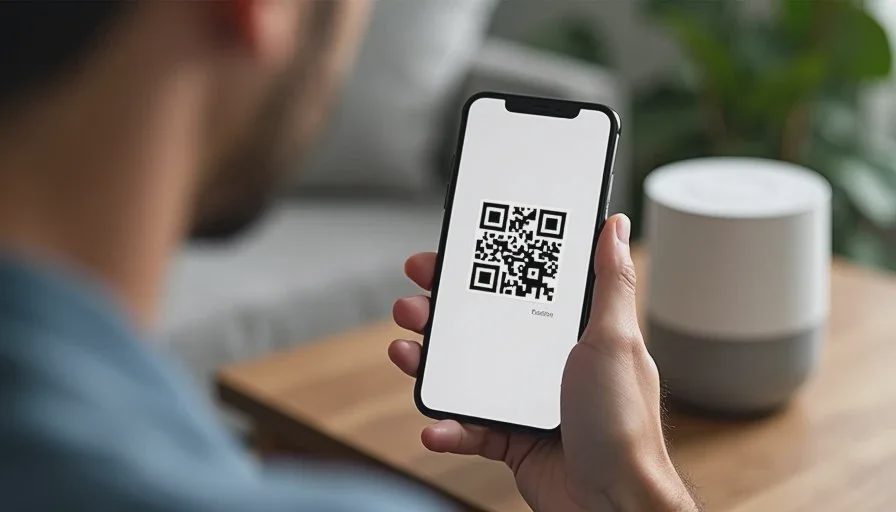
Setup is intended to work through the apps people already have, using a QR code or similar method. When it works cleanly, the process feels lighter than creating yet another manufacturer account.
Growing device categories
Lights, plugs, switches, locks, thermostats, blinds, and sensors are increasingly available with Matter support. The selection is no longer limited to early experimental products.
These are genuine advances. They do not, however, remove every source of friction.
What Matter Does Not Automatically Fix
Several limitations remain important for real households.
Not every feature is standardized
Matter covers core functions. Advanced or brand-specific features may still require the manufacturer’s own app. A lock might lock and unlock through Matter while its detailed access logs or special modes stay inside the original app.
Reliability still depends on the specific product
Matter is a communication standard. It does not guarantee that a particular bulb will stay connected, that a sensor will have good battery life, or that the firmware will remain stable. Poorly designed devices can still disappoint even if they speak Matter.
Bridges and hubs have not disappeared entirely
Some older devices or certain categories still rely on bridges. A household that already owns non-Matter gear may need to keep existing hubs during a transition period.
Setup is not always flawless
While the process is improved, real-world pairing can still involve troubleshooting, especially in homes with congested Wi-Fi or multiple controllers.
Understanding these boundaries prevents the disappointment that comes from expecting Matter to solve every smart-home problem.
How Families Can Use Matter Practically
A sensible approach focuses on reducing complexity rather than collecting Matter logos.
Prefer Matter when buying new devices in core categories
For new lights, plugs, simple sensors, and locks, choosing Matter-compatible models increases the chance that the device will work with the platforms the family already uses. It also improves the odds of local control.
Do not replace working gear just for the standard
If existing non-Matter devices are reliable and already integrated, there is little reason to swap them solely to gain a Matter badge. Transition gradually as devices reach the end of their useful life.
Keep the number of controlling apps low
Matter makes multi-platform control possible, but most families are better served by picking one primary app or ecosystem for daily use. The ability to switch later is valuable; constantly jumping between apps is not.
Test local behavior
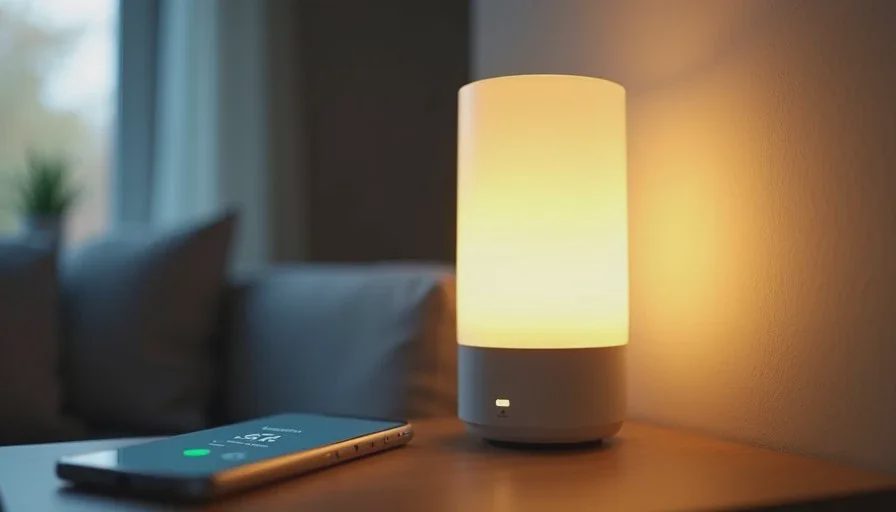
After adding a Matter device, temporarily disable the home internet or put the phone in airplane mode and verify that basic controls still work. Local operation is one of the standard’s strongest practical benefits.
Watch for ecosystem maturity
Some device categories and some manufacturers implement Matter more completely than others. Reading recent real-user experiences for the specific product matters more than the presence of the logo.
Matter and the Rest of the Home Network
Matter devices still ride on the home network. A congested or poorly segmented Wi-Fi setup can undermine even well-designed Matter products. The same network hygiene that helps any smart home continues to apply:
Separate IoT devices onto their own network segment when possible.
Maintain solid Wi-Fi coverage in the rooms where sensors and lights actually operate.
Keep router firmware current.
Matter improves device-to-controller communication. It does not replace the need for a stable underlying network.
A Realistic Stance for Busy Households
Matter is a step toward less fragmented smart homes. It lowers the cost of switching platforms, improves the chance of local control, and reduces the number of proprietary hubs a family must maintain. Those are meaningful gains.
It is not a reason to overhaul a working system or to assume that every Matter device will be problem-free. The families that benefit most are those that treat Matter as one useful criterion among others—reliability, ease of daily use, support quality, and real-world battery or power behavior—rather than as a complete solution.
When a new device is needed, checking for Matter support is reasonable. When an existing device already does its job quietly, leaving it alone is equally reasonable. The standard exists to make devices work better together. The household’s job is still to choose devices that earn their place and then stay out of the way.
Stability First.